
Introduction
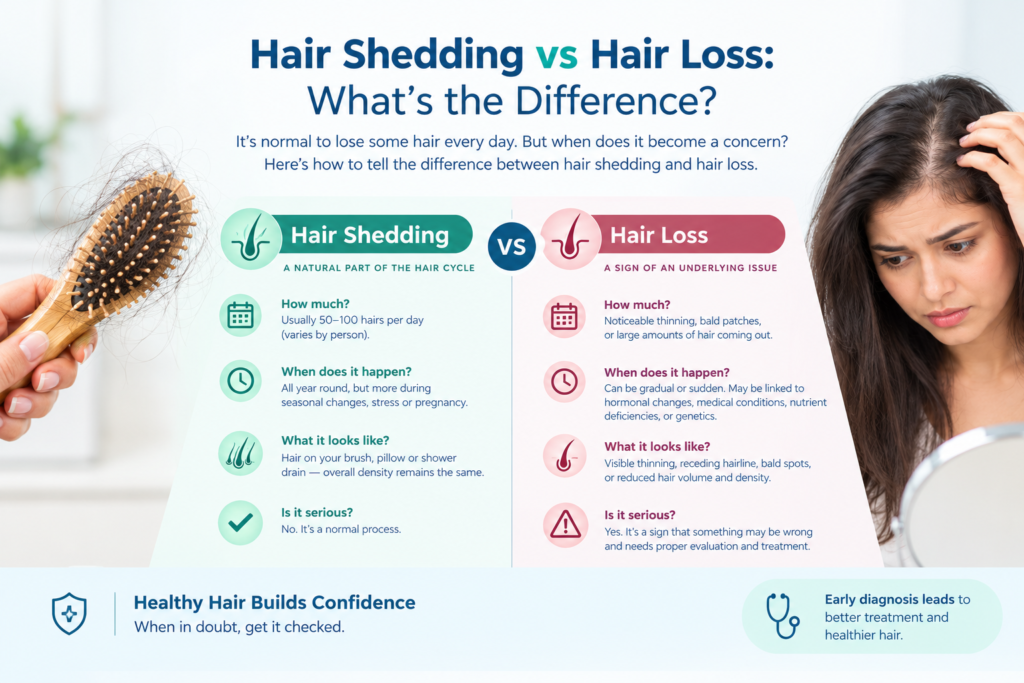
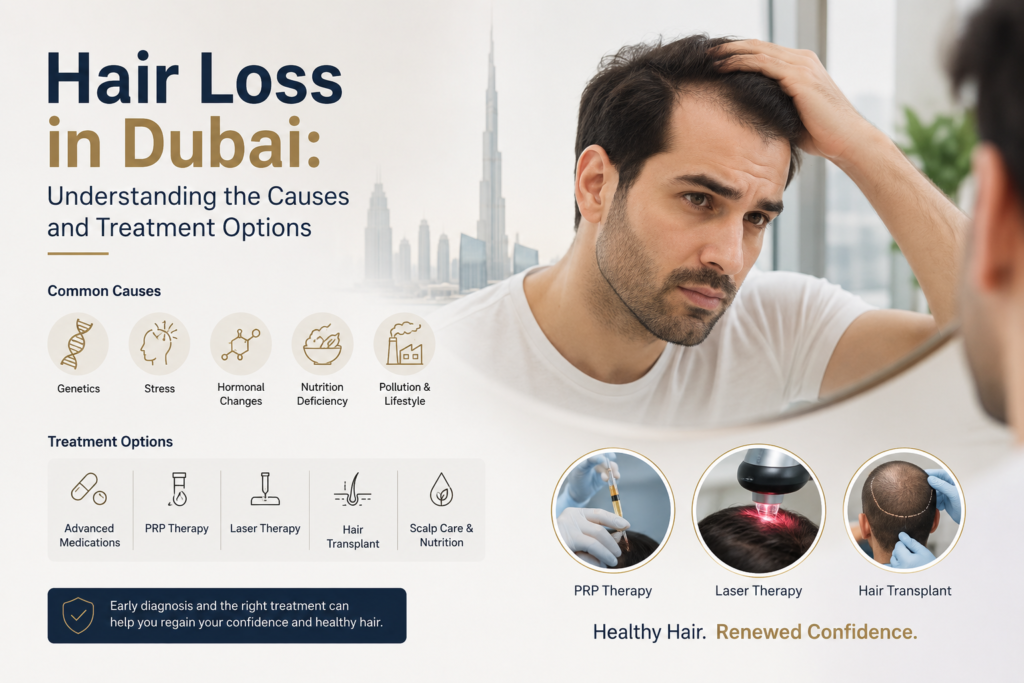
Losing more hair than usual can be worrying, especially when you are not sure why it is happening. The good news is that hair loss has many known causes, and understanding them is the first step toward finding the right solution. If you have been searching for Hair Loss Treatment Dubai clinics offer, this guide will walk you through the most common reasons behind hair loss and what you can do about it.
Genetics: The Most Common Cause
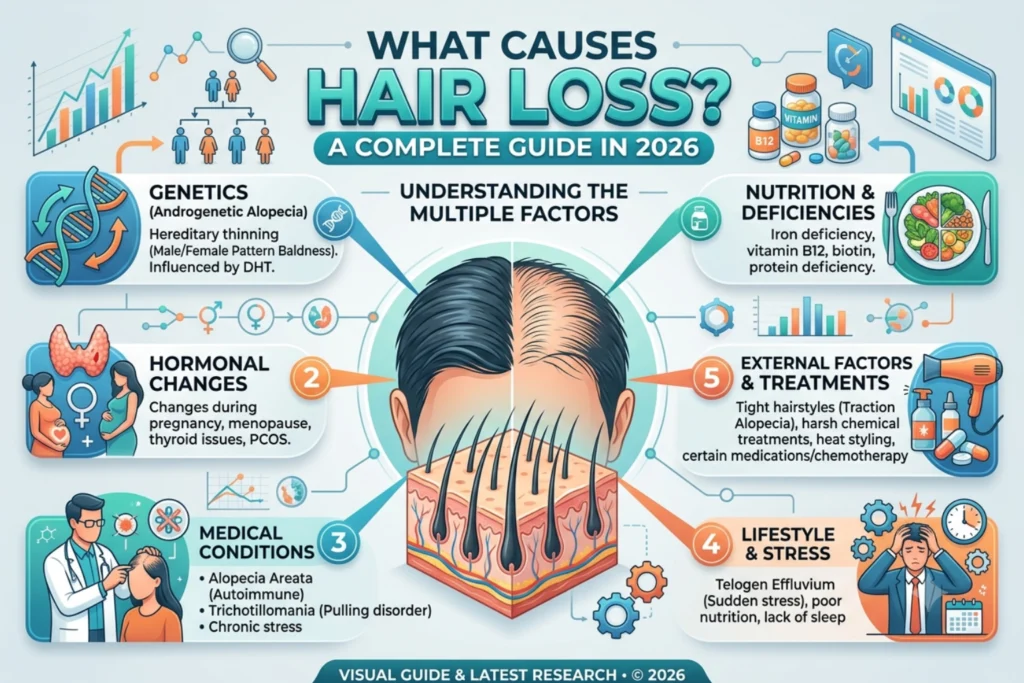
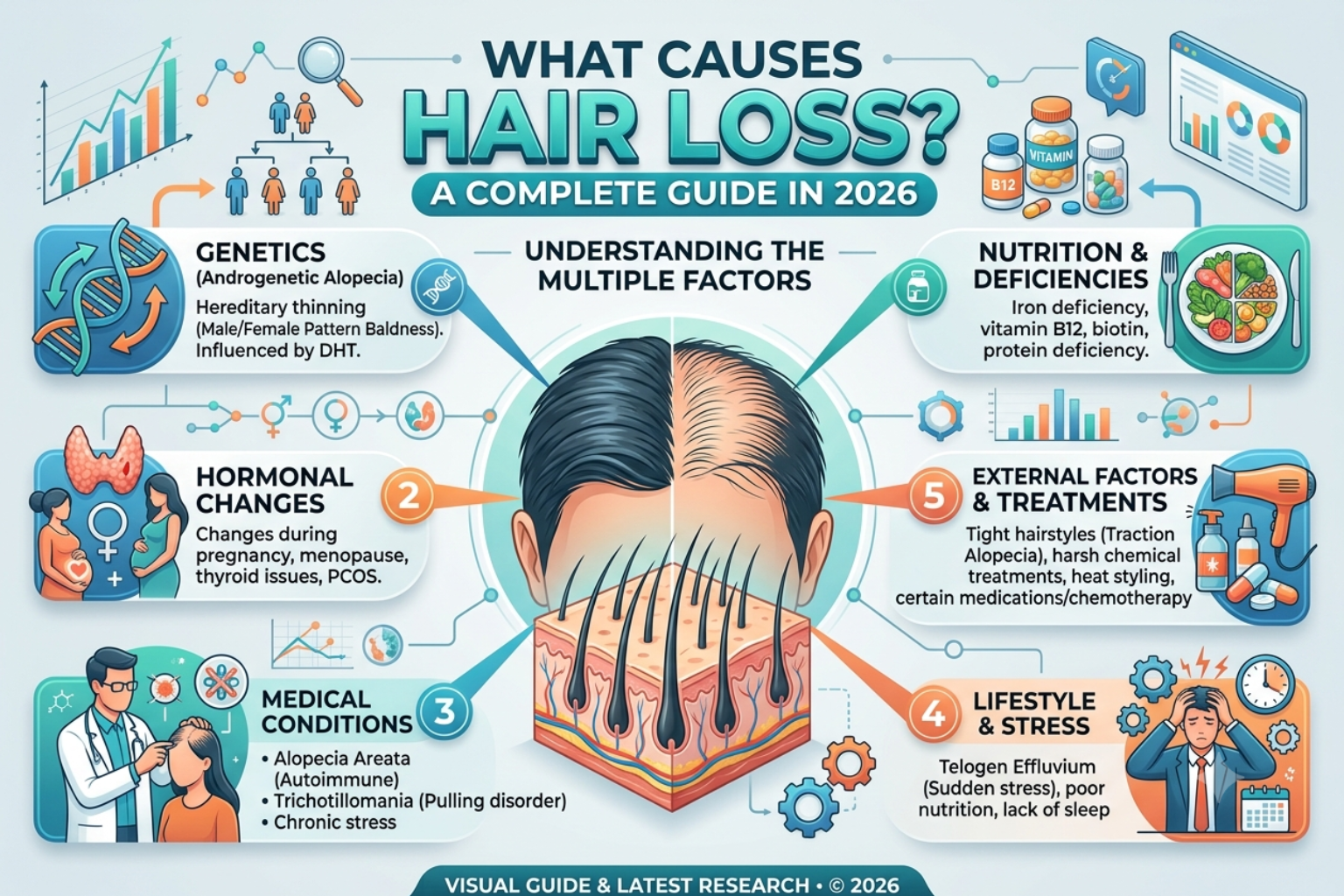
For many people, hair loss simply runs in the family. This is known as hereditary hair loss, and it is the most common cause in both men and women. It usually shows up gradually, often starting with thinning at the crown or a receding hairline in men, and overall thinning in women.
While genetics cannot be changed, there are treatments available today that can slow down hair loss and, in many cases, help regrow hair that has thinned over time.
Hormonal Changes
Hormones play a big role in hair growth cycles. Pregnancy, childbirth, menopause, and thyroid issues can all trigger noticeable hair shedding. This type of hair loss is often temporary, but it can still feel alarming when it happens.
If you notice sudden hair loss around a major hormonal change in your life, it is worth speaking to a specialist who can check whether your hormones are behind it.
Stress and Lifestyle Factors
High stress levels, poor sleep, and an unbalanced diet can all contribute to hair thinning. This type of hair loss, sometimes called telogen effluvium, usually happens a few months after a stressful event, like an illness, surgery, or a particularly difficult period in life.
The good news is that this type of hair loss is often reversible once stress levels come down and the body has time to recover.
Nutritional Deficiencies
Hair needs the right nutrients to grow properly. Low levels of iron, vitamin D, zinc, or protein can all lead to weaker hair and increased shedding. Crash diets or very restrictive eating patterns can also affect hair health over time.
Simple blood tests can often identify whether a deficiency is contributing to hair loss, making this one of the easier causes to address once identified.
Medical Conditions
Certain medical conditions, including autoimmune disorders and scalp infections, can cause hair loss as well. In these cases, treating the underlying condition is usually necessary before hair growth can improve.
This is why it is important not to assume every case of hair loss has the same cause. A proper evaluation helps identify what is actually happening beneath the surface.
Everyday Habits That Damage Hair
Sometimes hair loss is not about health at all, but about how hair is treated day to day. Common habits that contribute to damage include:
- Tight hairstyles that pull on the roots
- Excessive heat styling
- Harsh chemical treatments
- Frequent brushing of wet hair
- Skipping regular trims, which allows damage to travel up the hair shaft
Small changes to these habits can sometimes make a noticeable difference over time.
When to See a Specialist
If you notice hair loss that seems sudden, patchy, or is accompanied by scalp irritation, it is worth seeing a specialist rather than waiting to see if it improves on its own. Early evaluation often leads to better outcomes, since some causes respond much better to treatment when addressed early.
A qualified Hair Loss Specialist Dubai residents trust can run the right tests to pinpoint the cause and recommend a treatment plan suited to your specific situation, rather than a generic approach.
Exploring Treatment Options
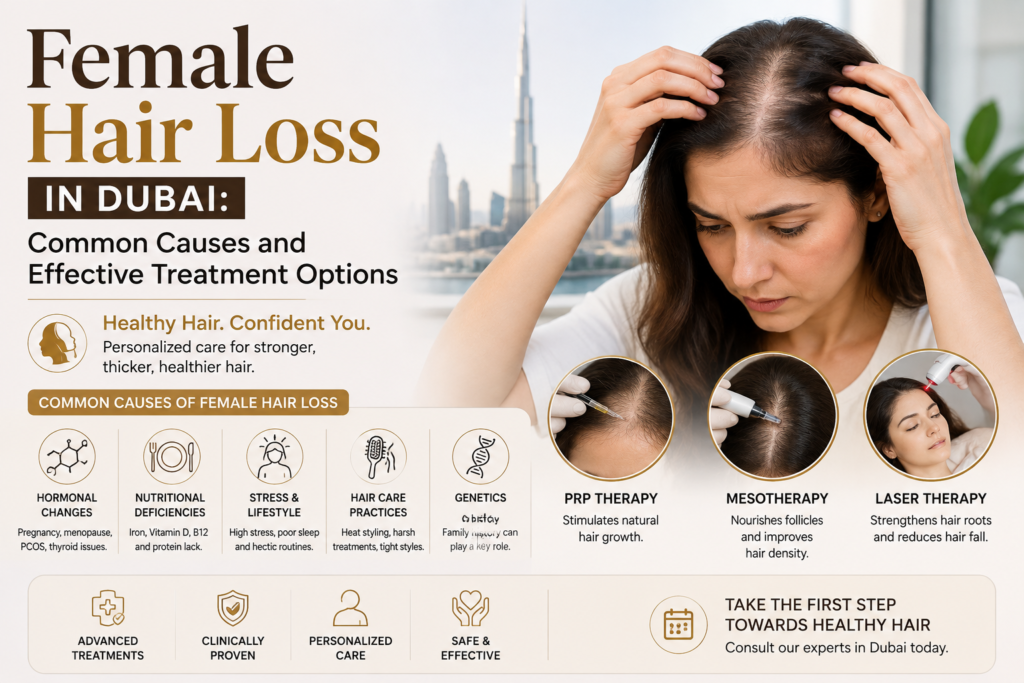
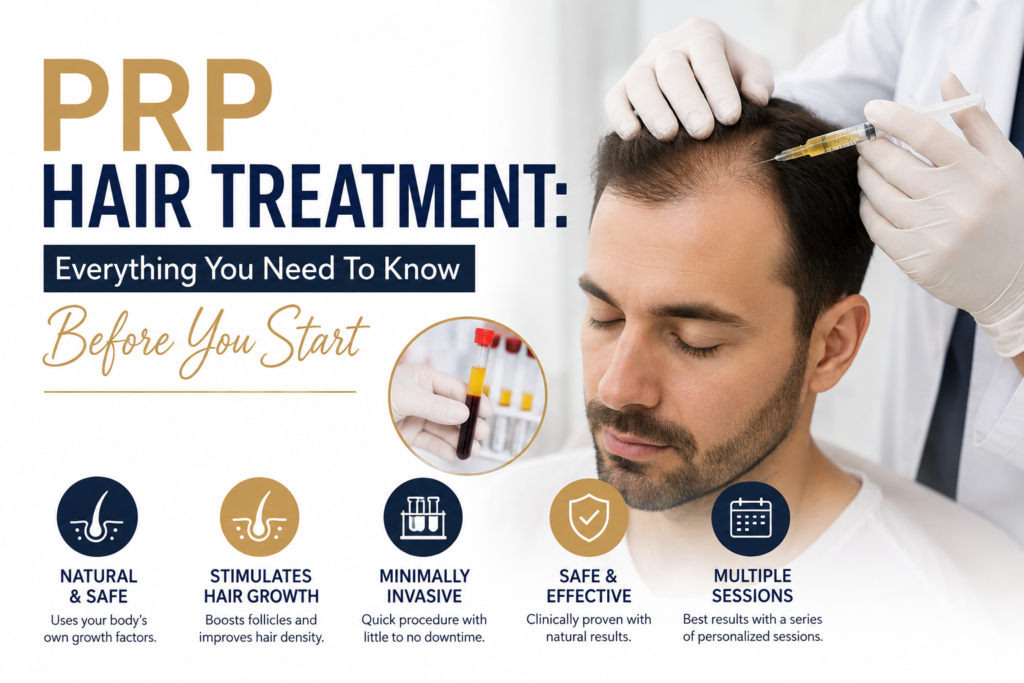
Today there are more Hair Loss Solutions Dubai clinics offer than ever before, ranging from topical treatments and supplements to more advanced options like PRP therapy. The right choice depends on the cause of your hair loss, how advanced it is, and your personal goals.
Clinics such as Lejou Medical work with patients to identify the underlying cause before recommending a treatment, since addressing the wrong issue rarely leads to lasting results.
What to Expect at a Consultation
Many people put off seeing a specialist simply because they are not sure what to expect. A first consultation usually starts with a conversation about your medical history, lifestyle, and when you first noticed the hair loss. This is often followed by a close examination of the scalp and hair, sometimes with the help of a small camera that magnifies the hair follicles.
In some cases, blood tests may be recommended to check for nutritional deficiencies or hormonal imbalances. None of this should feel intimidating. A good specialist will explain each step clearly and make sure you understand what they are looking for and why.
Building a Long-Term Plan
Hair loss treatment is rarely a one-time fix. Most effective approaches involve an ongoing plan that may combine several methods, such as topical treatments, lifestyle adjustments, and periodic follow-up visits to track progress. Consistency tends to matter more than intensity, since hair growth cycles take months to show visible change.
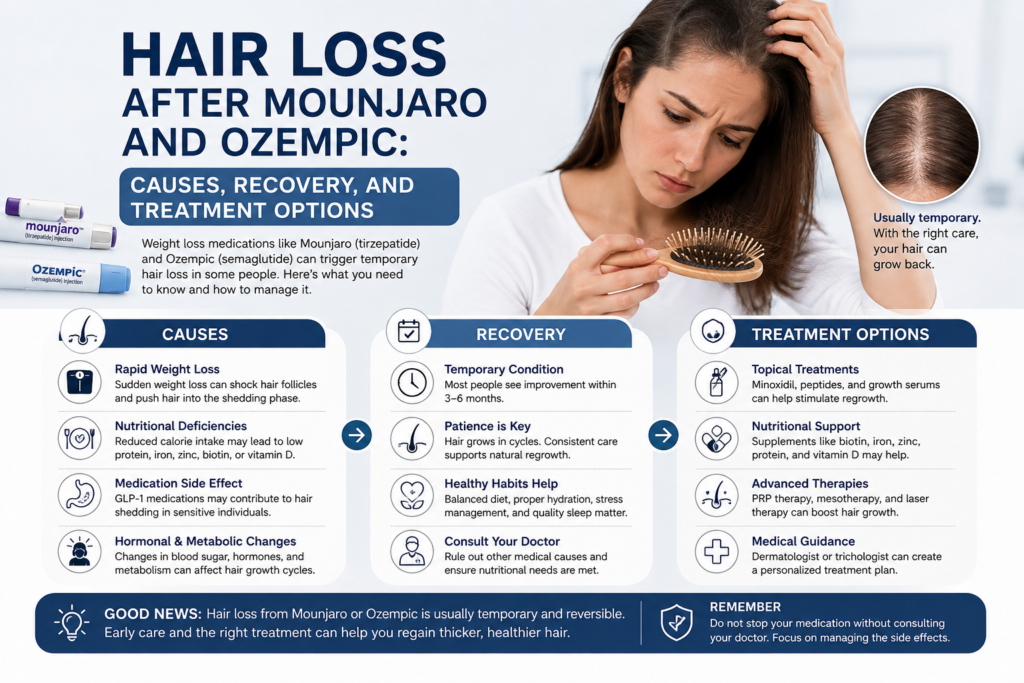
Patience is an important part of this process. It can take three to six months before noticeable improvement appears, even with the right treatment plan in place. Staying in regular contact with your specialist helps ensure the plan is adjusted as needed along the way.
Final Thoughts
Hair loss can happen for many reasons, from genetics and hormones to stress and everyday habits. Understanding the cause behind your hair loss is the key to finding a treatment that actually works. If you are dealing with unexplained shedding or thinning, reaching out for professional Hair Fall Treatment Dubai specialists provide is a smart first step, and reliable Hair Loss Treatment Dubai options are more accessible today than ever before.