
Introduction
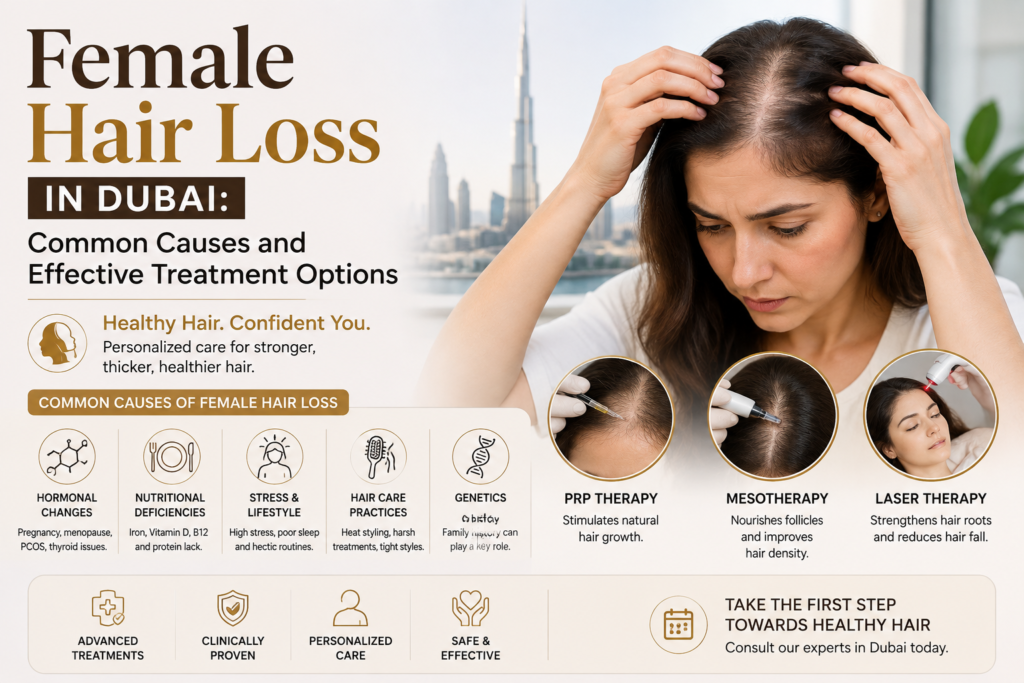
PRP Hair Treatment Dubai clinics increasingly offer as an option for patients experiencing hair thinning, but understanding exactly how this treatment works and what results are actually realistic matters before committing to a course of sessions. This blog covers what PRP Hair Therapy Dubai involves, what the evidence actually says about its effectiveness, and what to genuinely expect throughout the process.
What PRP Actually Is
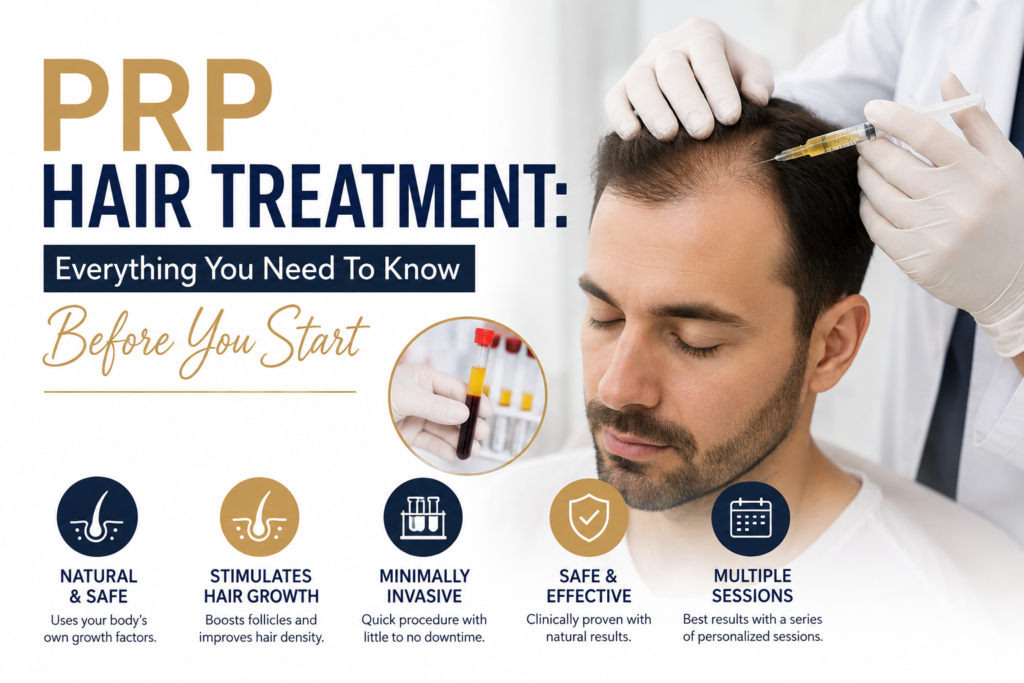
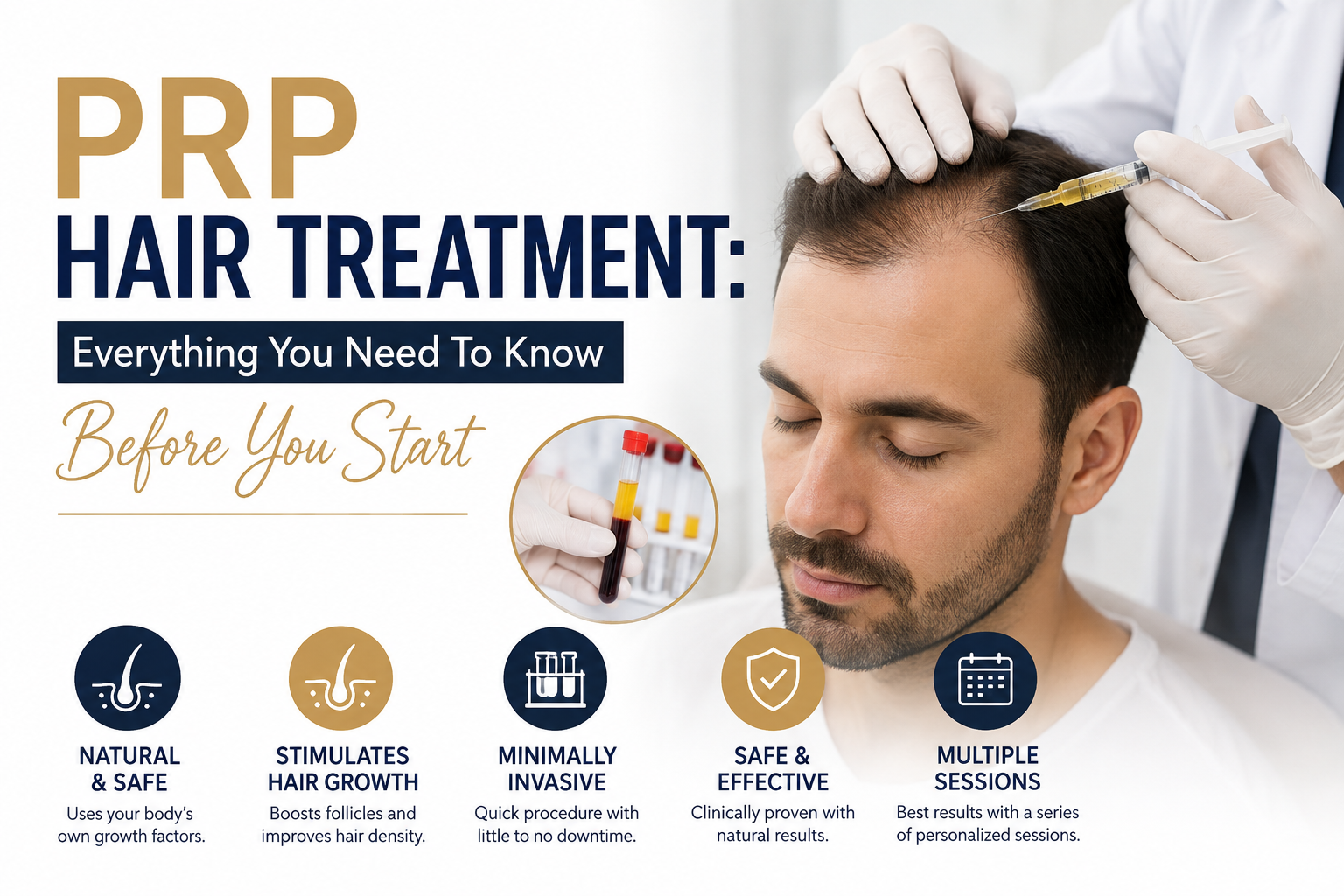
Platelet-rich plasma, or PRP, is derived from a patient’s own blood, which is drawn and processed in a centrifuge to concentrate the platelets, which contain growth factors believed to stimulate hair follicles. This concentrated plasma is then injected into areas of the scalp experiencing thinning, with the goal of encouraging existing follicles into a more active growth phase. Because the treatment uses the patient’s own blood, the risk of allergic reaction is minimal compared to many topical or injectable treatments derived from external sources.
How Effective Is PRP Hair Treatment for Hair Regrowth and What Results Are Realistic
Clinical research on PRP for hair loss shows generally positive results for certain types of hair thinning, particularly early to moderate androgenetic hair loss, though results vary meaningfully between individual patients. PRP tends to work best as a treatment to slow further thinning and improve the density and thickness of existing hair, rather than as a solution for completely bald areas where follicles are no longer present or active. Most clinical protocols involve a series of sessions, often three to four initial treatments spaced several weeks apart, followed by periodic maintenance sessions to sustain results over time.
Does PRP Hair Treatment Actually Work for Hair Loss
The honest answer is that PRP works meaningfully for many patients, particularly those with early-stage thinning where follicles are still present but producing progressively finer hair, but it is not a universal cure that reverses all forms of hair loss equally. Patients with completely bald areas, or those whose hair loss stems from a cause PRP does not directly address, such as certain autoimmune conditions, may see limited benefit from PRP alone. A thorough consultation before starting treatment should set realistic expectations based on your specific pattern and stage of hair loss, rather than promising universal results.
What the PRP Procedure Actually Involves
- A blood draw, similar to a standard blood test, typically from the arm.
- Processing the blood in a centrifuge to separate and concentrate the platelet-rich plasma.
- Numbing the scalp to minimize discomfort during the injection process.
- Injecting the concentrated plasma into targeted areas of thinning.
- A brief recovery period with minimal downtime before resuming normal activities.
Who Is a Good Candidate for PRP
PRP tends to work best for patients in the earlier stages of hair thinning, where the hair follicle miniaturization process has not yet progressed to complete follicle loss. Patients with certain blood disorders, active scalp infections, or specific medical conditions may not be suitable candidates, which is why a proper medical evaluation before starting treatment is essential rather than optional.
How PRP Compares to Other Non-Surgical Options
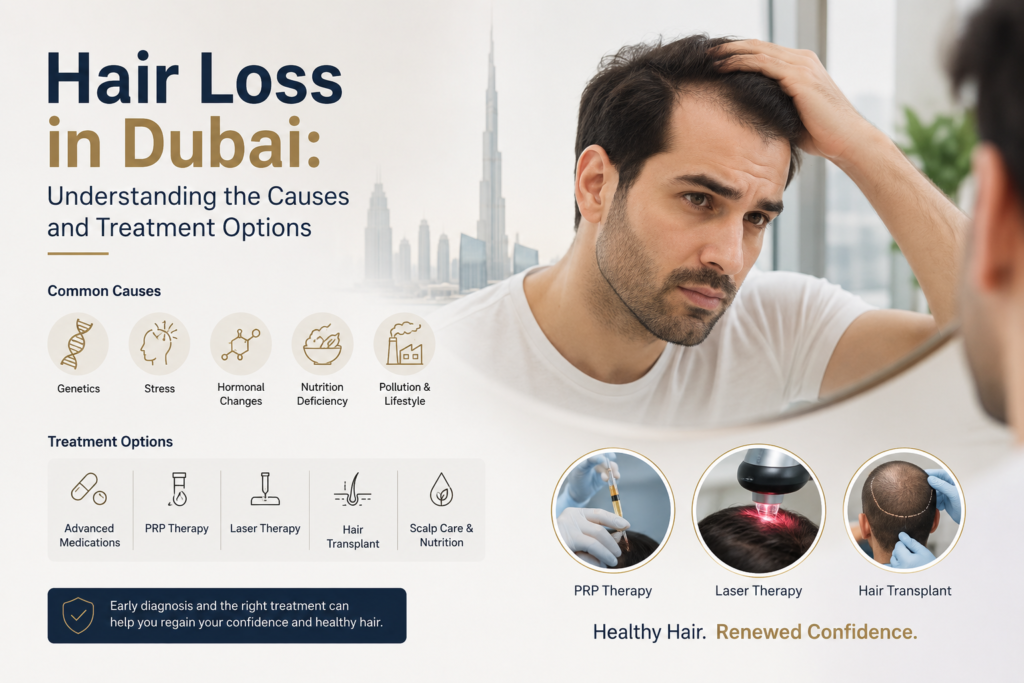
Compared to topical treatments like minoxidil, PRP offers the advantage of direct delivery to the follicle rather than relying on absorption through the scalp surface, though it also requires in-clinic visits rather than simple daily home application. Many patients find combining both approaches, rather than choosing one exclusively, provides more comprehensive support for hair follicles through complementary mechanisms of action.
Combining PRP With Other Treatments
Many clinics recommend combining PRP Hair Therapy Dubai with other evidence-based treatments, such as topical minoxidil or oral medications where appropriate, since these treatments work through different mechanisms and can complement each other rather than competing. This combination approach often produces stronger results than any single treatment used in isolation, particularly for patients dealing with more established pattern hair loss.
What to Ask Before Starting PRP
- How many sessions does the clinic typically recommend for a case like mine?
- What equipment and processing method do they use to prepare the plasma?
- Can they show before and after results from previous patients with similar hair loss patterns?
- What is the realistic timeline before I should expect to see visible change?
Managing Discomfort During the Procedure
Most clinics apply a topical numbing agent before the injections begin, which significantly reduces discomfort during the procedure itself, though some patients still describe mild pressure or tingling sensations during treatment. Any soreness or tenderness afterward typically resolves within a day or two, and most patients find the discomfort involved manageable relative to the potential benefits of the treatment.
Conclusion
PRP Hair Treatment Dubai offers a genuinely evidence-supported option for many patients experiencing early to moderate hair thinning, particularly when the underlying biology of the condition is well understood before treatment begins. Approaching Lejou Medical for PRP Hair Therapy Dubai with realistic expectations, based on a proper diagnosis of your specific hair loss pattern, gives you the best chance of a satisfying outcome.