
Introduction
As GLP-1 medications like Mounjaro and Ozempic have become widely used for weight management, an increasing number of patients have reported noticeable Hair Loss After Mounjaro or similar medications, prompting real questions about why this happens and what can be done. This blog explains the connection between these medications and hair shedding, and outlines GLP-1 Hair Loss Treatment Dubai options for those experiencing this side effect.
The Connection Between Rapid Weight Loss and Hair Shedding
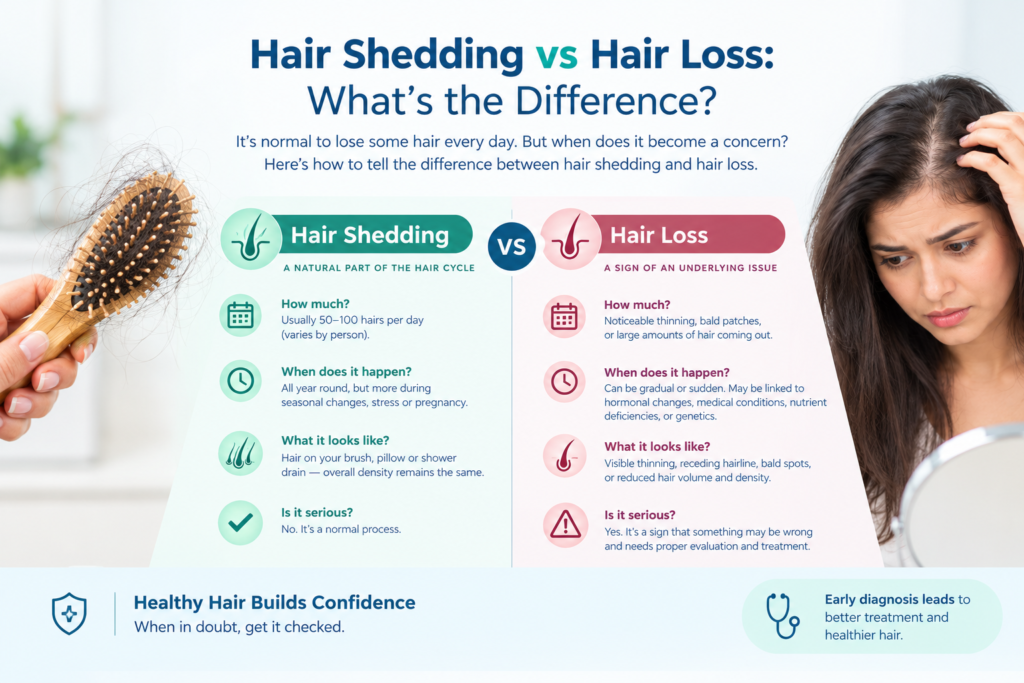
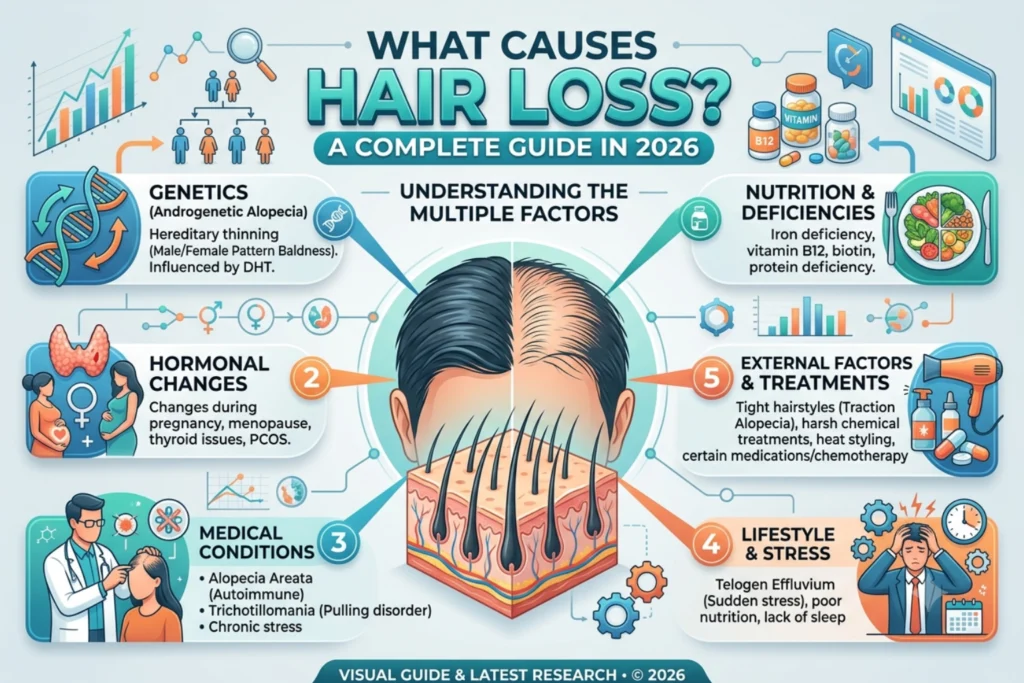
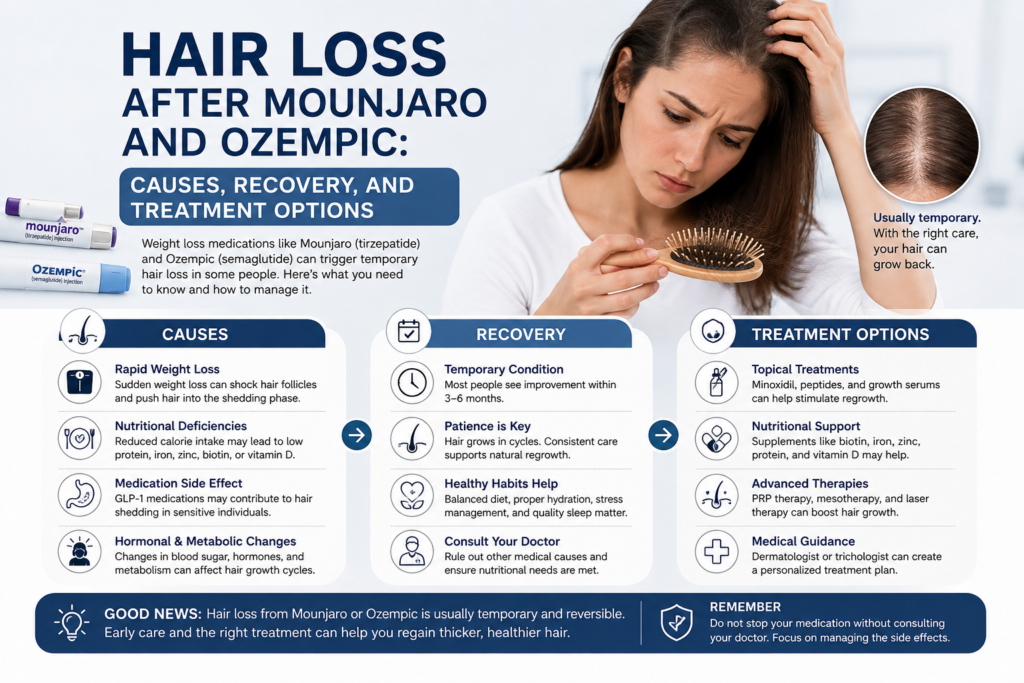
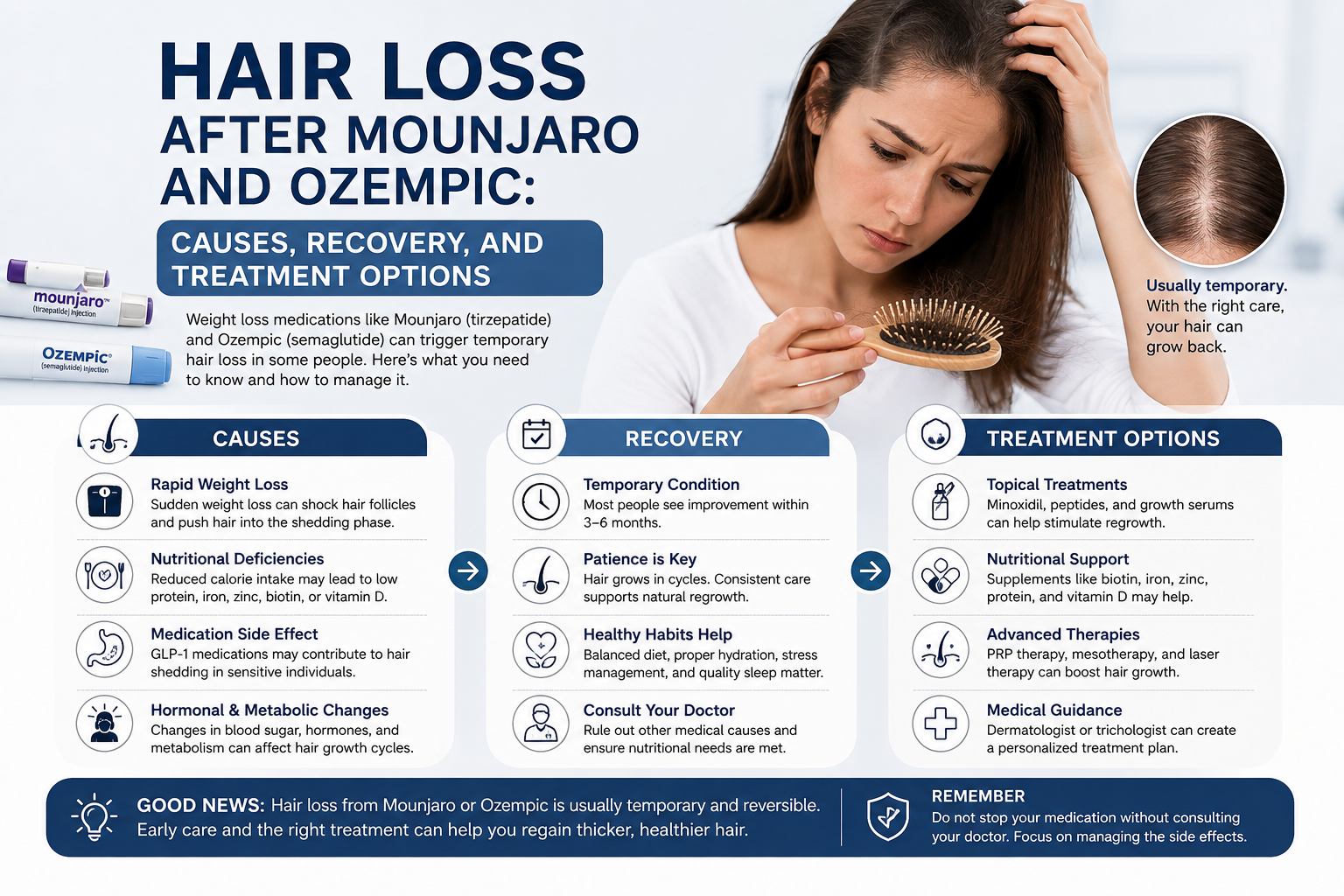
Significant, rapid weight loss, regardless of the method used to achieve it, is a well-documented trigger for a condition called telogen effluvium, where a larger than normal proportion of hair follicles shift into their resting phase simultaneously, leading to noticeable shedding a few months later. This is not unique to GLP-1 medications specifically, but the rapid and often substantial weight loss many patients experience on these medications makes this particular trigger more common than with slower, more gradual weight loss methods.
Why Do GLP-1 Medications Like Mounjaro and Ozempic Cause Hair Loss and How Is It Treated
Beyond the general effect of rapid weight loss, some patients on GLP-1 medications also experience reduced appetite significant enough to affect adequate nutrient intake, and deficiencies in protein, iron, or other key nutrients can compound the hair shedding triggered by weight loss itself. Treatment generally focuses on two areas: ensuring nutritional adequacy despite reduced appetite, and supporting the hair growth cycle through appropriate topical or clinic-based treatments while the underlying trigger, typically the rapid weight change, stabilizes over time.
Why Am I Losing Hair After Taking Mounjaro or Ozempic
If you are experiencing this while on a GLP-1 medication, the shedding is very likely related to the rapid weight loss and any accompanying nutritional gaps rather than a direct toxic effect of the medication itself on hair follicles. This distinction matters because it means the hair loss is generally temporary and tends to resolve once weight stabilizes and nutrition is properly managed, rather than representing permanent follicle damage that would require more intensive intervention.
Practical Steps to Support Hair Health During Treatment
- Prioritizing adequate protein intake despite reduced appetite from the medication.
- Getting blood work done to check for iron, vitamin D, and other relevant deficiencies.
- Considering a targeted supplement regimen if deficiencies are identified.
- Discussing the timing and pace of weight loss with your prescribing physician if shedding is significant.
When Clinic-Based Treatment Becomes Worth Considering
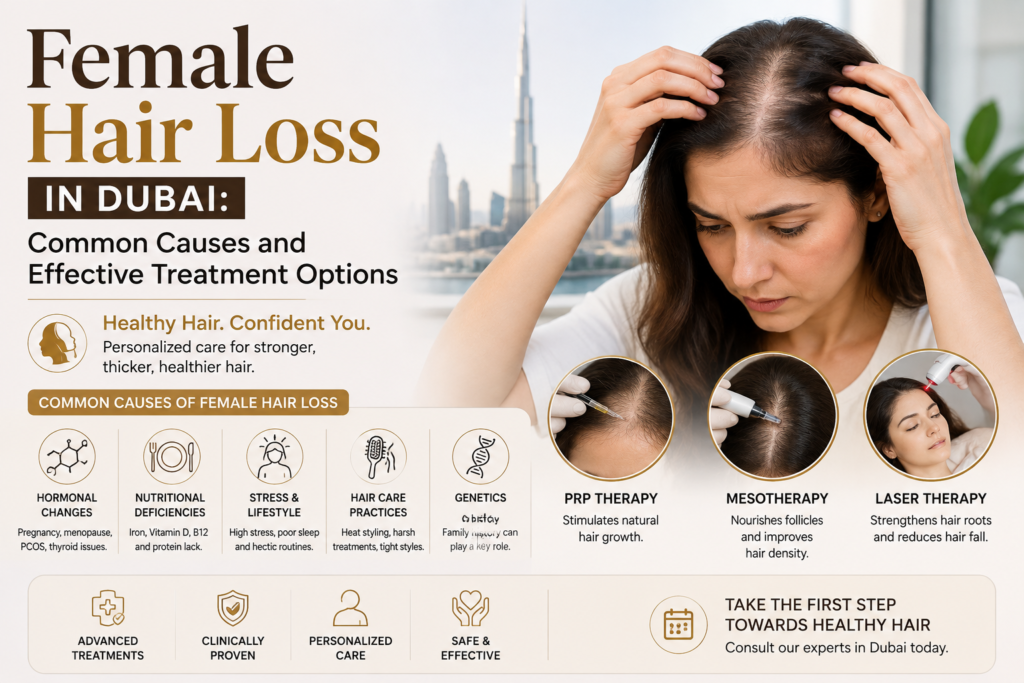
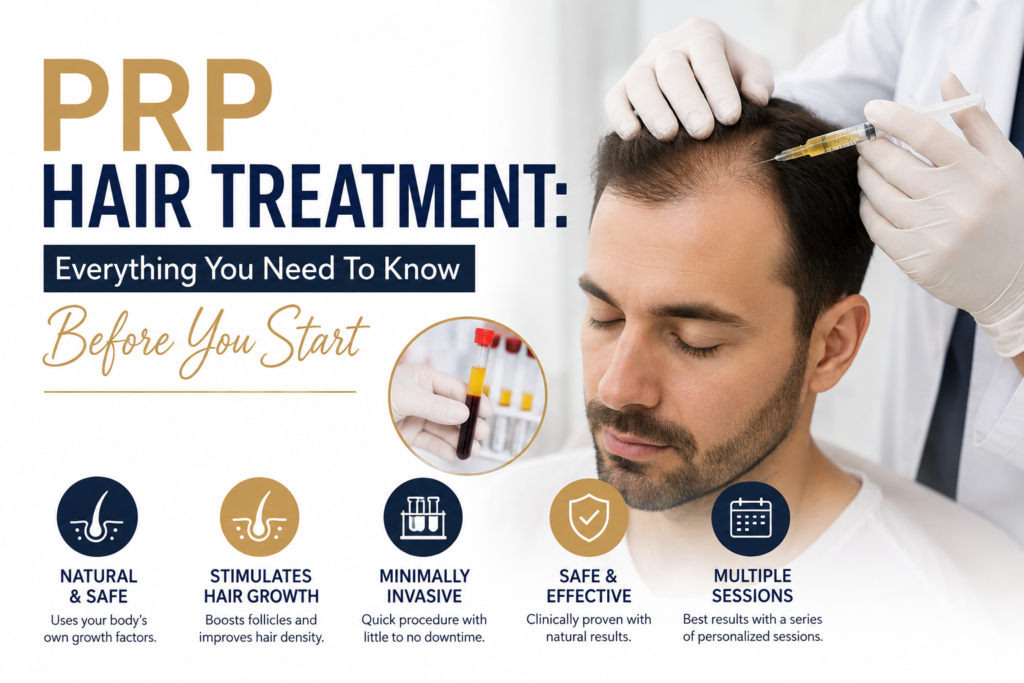
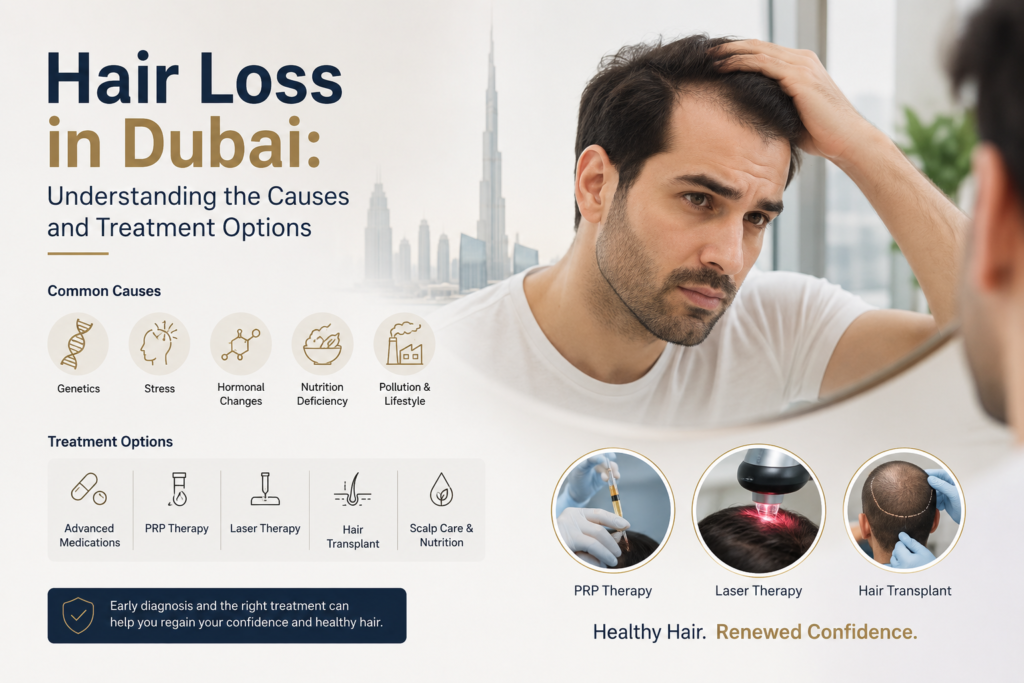
For patients experiencing significant shedding, or who want to actively support regrowth alongside their weight loss journey rather than simply waiting for the shedding to resolve naturally, GLP-1 Hair Loss Treatment Dubai clinics offer options including PRP therapy, topical treatments, and nutritional guidance tailored specifically to this situation. Since this type of hair loss is generally temporary in nature, treatment often focuses on supporting the fastest possible recovery once the underlying nutritional and weight-related triggers are properly addressed.
Working With Both Your Physician and a Hair Specialist
Given that this type of hair loss sits at the intersection of weight management medication and hair health, coordinating between your prescribing physician and a hair loss specialist tends to produce the best outcomes. Your physician can advise on medication dosing and nutritional strategy, while a hair specialist can recommend targeted treatments to support regrowth, and keeping both providers informed of each other’s recommendations avoids conflicting advice.
How Long Recovery Typically Takes
For most patients, hair shedding related to GLP-1 medications and rapid weight loss begins to noticeably improve within three to six months once weight stabilizes and nutritional gaps are addressed, following the natural hair growth cycle timeline. Patience during this recovery period, combined with proper nutritional support, generally leads to a satisfying resolution without requiring the more intensive interventions sometimes needed for other, less temporary forms of hair loss.
Preventing Hair Loss Before It Starts
For patients just beginning a GLP-1 medication or planning to start one, discussing hair health proactively with your physician, including establishing a baseline nutritional status and monitoring appetite changes closely, can help catch and address deficiencies before they progress to the point of triggering noticeable shedding. This proactive approach is generally more effective than waiting to react once hair loss has already become visible.
What Patients Often Get Wrong About This Type of Hair Loss
A common misconception is that hair loss on GLP-1 medications means permanently damaged follicles, leading some patients to discontinue an otherwise effective and medically beneficial weight loss treatment out of unnecessary fear. Understanding that this shedding is generally temporary, and manageable through proper nutrition and support, helps patients make a more informed decision about continuing their weight management treatment rather than stopping out of an overreaction to a manageable side effect.
Conclusion
Hair Loss After Mounjaro and similar GLP-1 medications is a real and increasingly recognized side effect, typically driven by rapid weight loss and associated nutritional changes rather than a direct effect of the medication on hair follicles. GLP-1 Hair Loss Treatment Dubai, Lejou Medical can offer meaningful support for patients navigating this issue, particularly when treatment is coordinated with proper nutritional management alongside the weight loss journey itself.