
Introduction
Female Hair Loss Dubai patients experience often gets overlooked or dismissed, partly because hair loss is frequently discussed as a predominantly male issue despite affecting a significant number of women as well. Understanding the specific causes that tend to drive hair loss in women, and the Hair Loss Treatment for Women Dubai options genuinely suited to these causes, is essential for getting effective help rather than generic advice that does not address the real issue.
Why Female Hair Loss Often Presents Differently Than Male Pattern Loss
Unlike the more localized, receding hairline pattern commonly seen in men, female hair loss more often presents as diffuse thinning across the crown and top of the scalp, without the same clear pattern of a receding hairline. This difference in presentation means the diagnostic approach and treatment considerations for women often differ meaningfully from the standard protocols developed primarily around male pattern baldness.
What Are the Most Common Causes of Female Hair Loss and What Treatments Are Available in Dubai
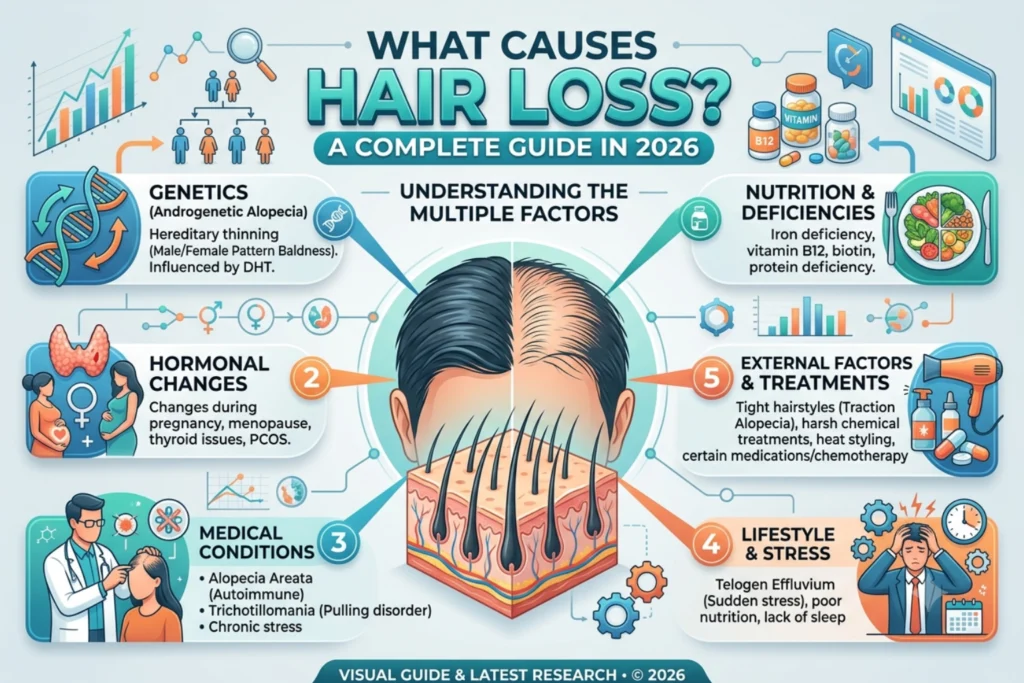
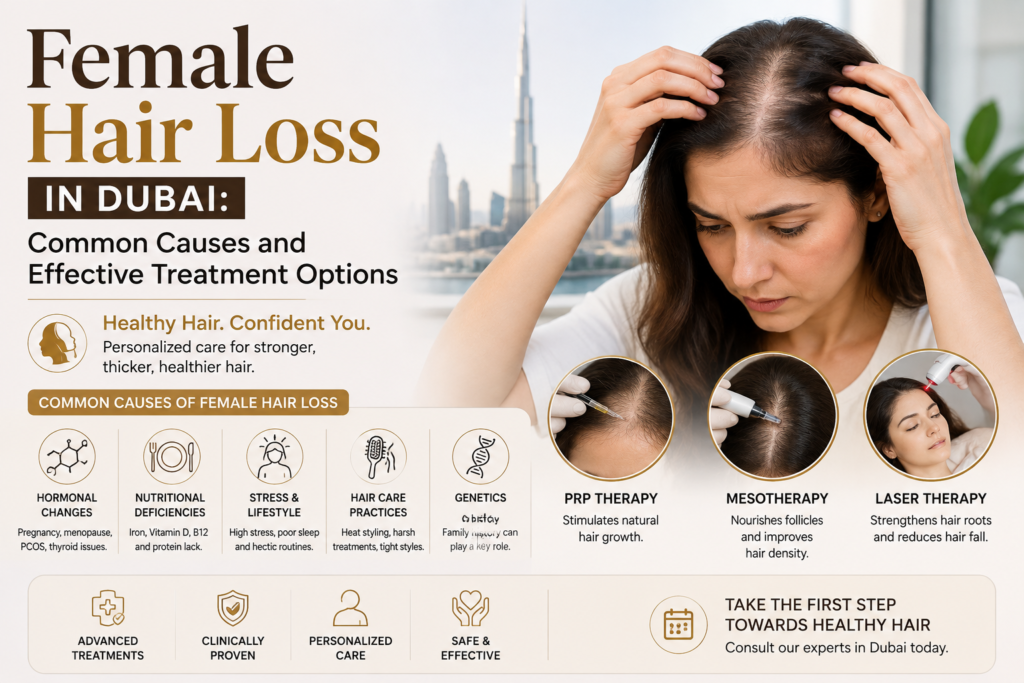
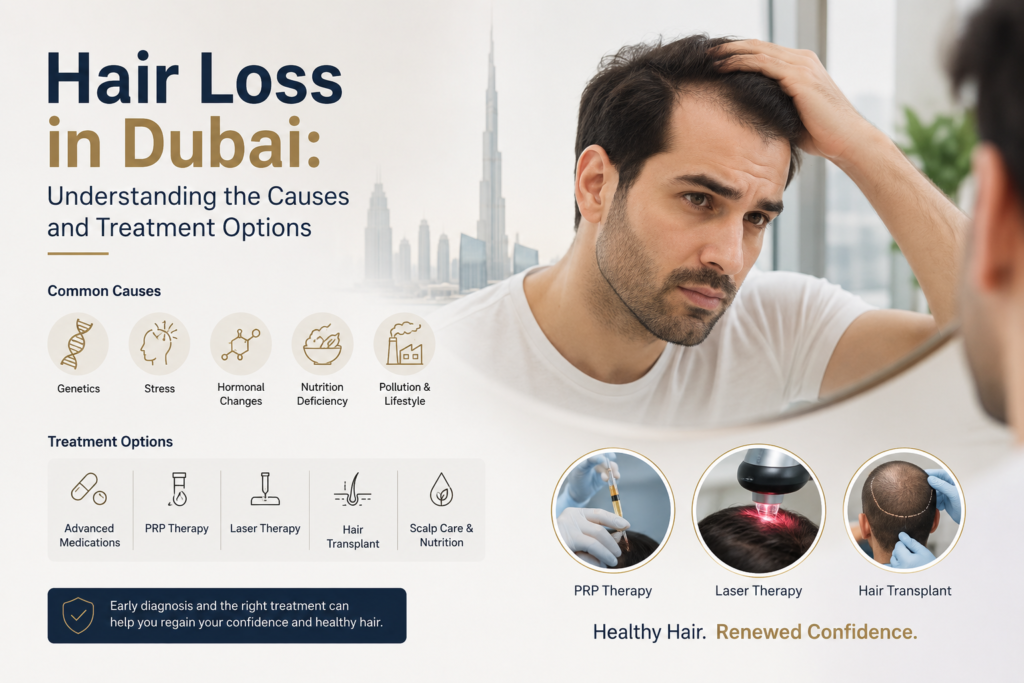
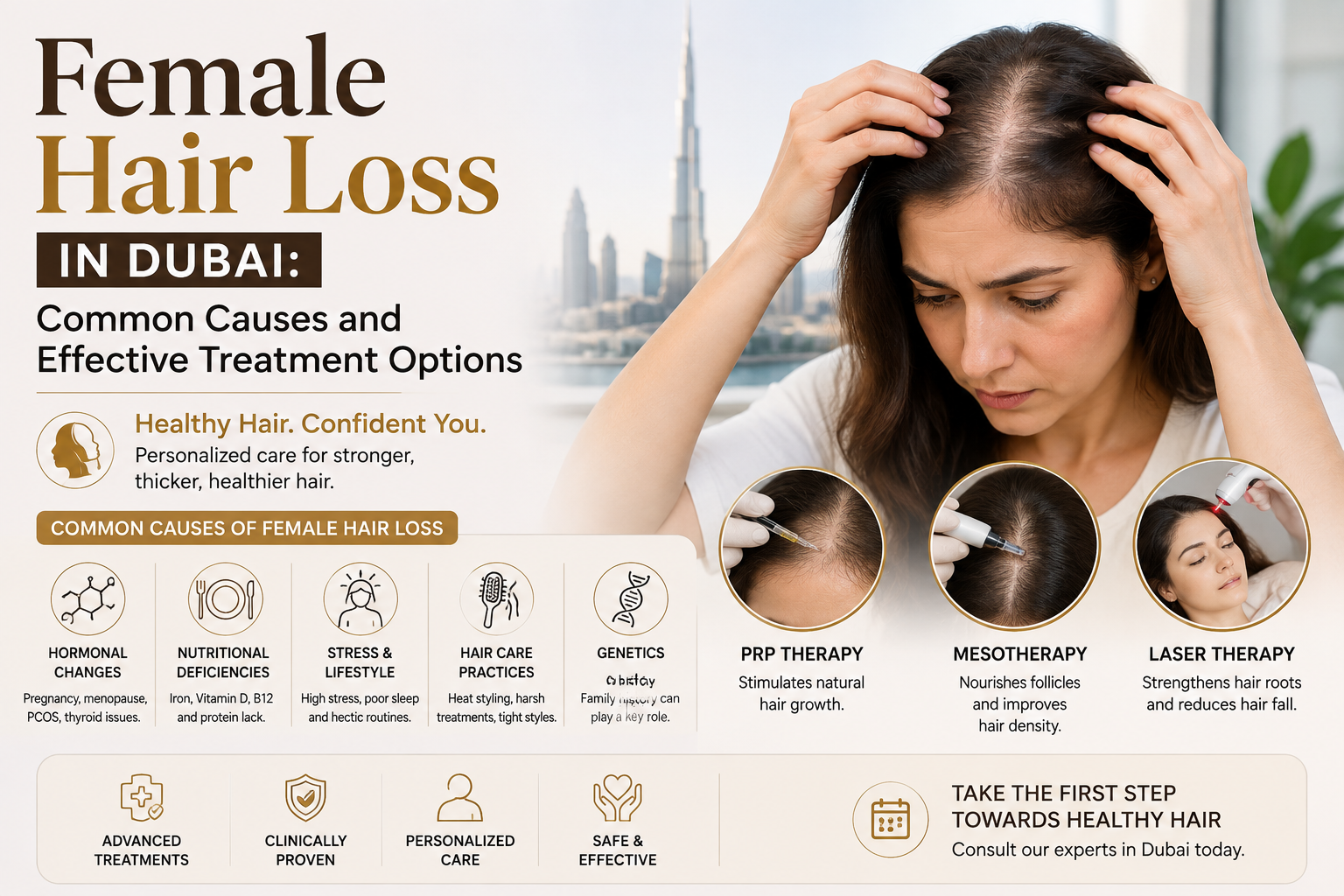
Hormonal fluctuations related to pregnancy, postpartum recovery, menopause, or conditions like polycystic ovary syndrome are among the most common drivers of female hair loss. Thyroid dysfunction, whether an underactive or overactive thyroid, is another frequent contributor that requires medical evaluation to properly diagnose. Nutritional deficiencies, particularly iron deficiency, are more common among women and can significantly affect hair health when left unaddressed. Genetic female pattern hair loss also exists as a distinct condition, generally requiring a somewhat different treatment approach than the male pattern equivalent.
Why Am I Losing Hair as a Woman and What Can I Do About It
If you are experiencing noticeable hair thinning, the first genuinely useful step is a proper medical evaluation rather than immediately purchasing over-the-counter products based on marketing claims alone. Blood tests checking thyroid function, iron levels, and relevant hormone panels can identify treatable underlying causes that, once addressed, often lead to significant improvement in hair health without necessarily requiring specialized hair-specific treatments at all. For hair loss confirmed as genetic or hormonal in nature even after addressing other factors, targeted treatments including topical medications, PRP therapy, or other clinic-based interventions become genuinely relevant options.
Treatment Options Worth Discussing with a Specialist
- Topical minoxidil, one of the few treatments specifically studied and approved for female pattern hair loss.
- Addressing underlying hormonal or thyroid issues identified through proper testing.
- Iron and nutritional supplementation where deficiencies are confirmed through blood work.
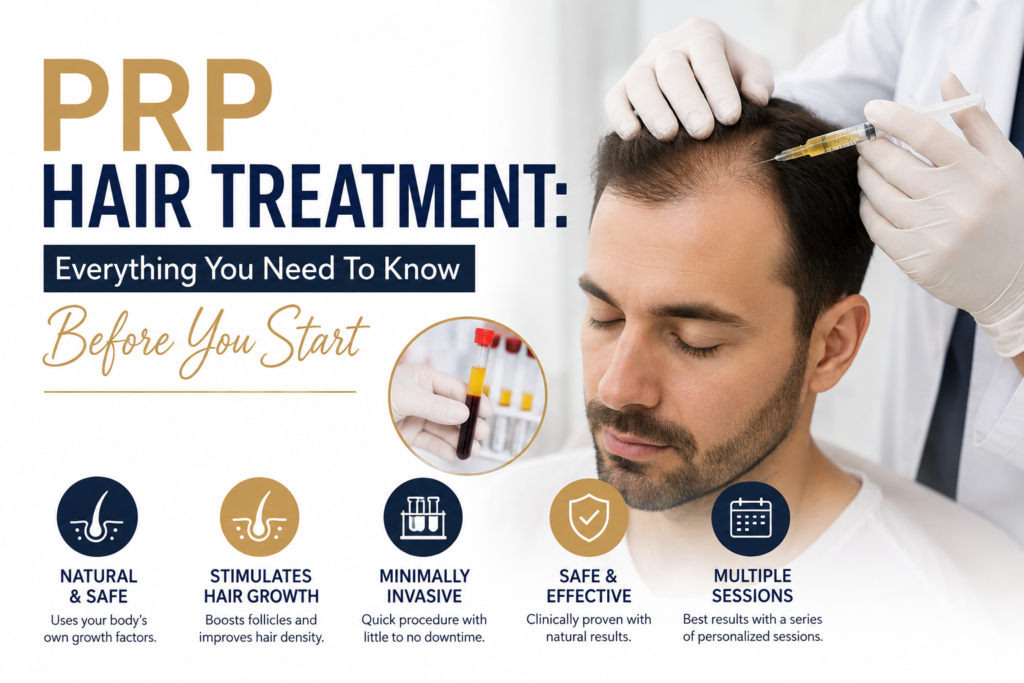
- PRP therapy for suitable candidates with early to moderate thinning.
- Low-level laser therapy as a supportive, non-invasive option for some patients.
The Emotional Impact Deserves Acknowledgment Too
Hair loss can carry a significant emotional toll for women, sometimes even more so given how closely hair is often tied to feminine identity in many cultures. A good clinic addressing Hair Loss Treatment for Women Dubai should acknowledge this emotional dimension alongside the medical treatment, providing a supportive, understanding environment rather than treating the concern as purely cosmetic or minor.
Why Timing Matters for Postpartum Hair Loss
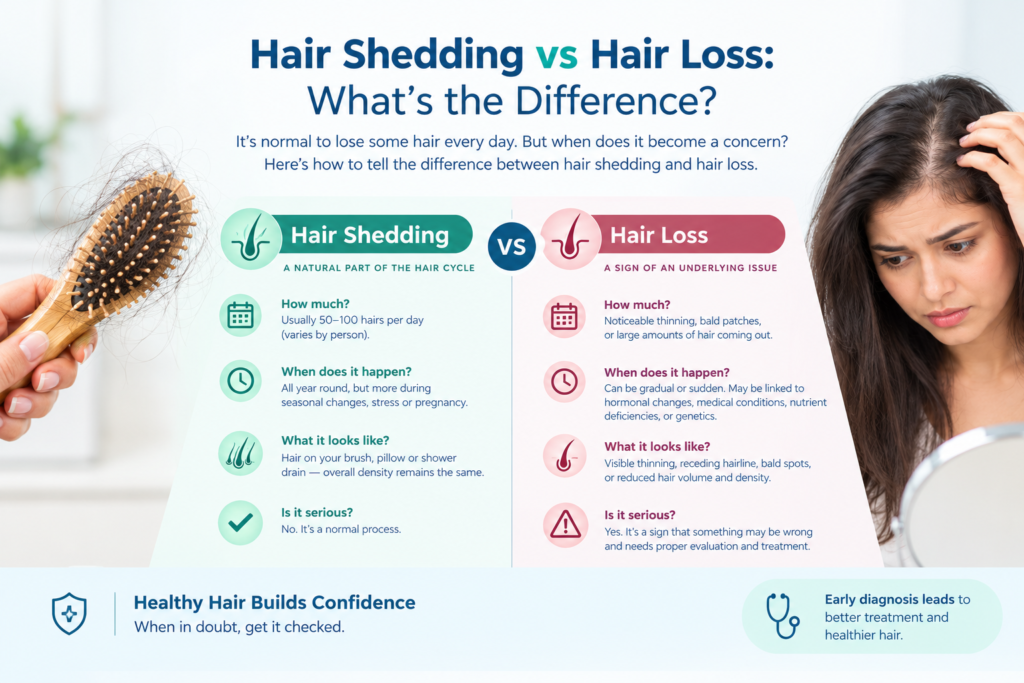
Postpartum hair shedding deserves special mention, since it is an extremely common and typically temporary form of hair loss related to the hormonal shifts that occur after childbirth. Most women see this shedding resolve naturally within six to twelve months without intervention, though those experiencing prolonged or unusually severe shedding beyond this window should seek evaluation to rule out other contributing factors that may need separate attention. Being patient during this window, while still monitoring for any signs that the shedding is unusually severe, is generally the right approach.
Building a Long-Term Hair Health Plan
Rather than viewing treatment as a one-time fix, women dealing with ongoing or recurring hair thinning benefit from a longer-term plan developed alongside their specialist, including periodic monitoring, adjustments to treatment as needed, and attention to lifestyle factors like nutrition and stress management that can influence hair health over time. This ongoing partnership tends to produce more consistent, lasting results than a single isolated treatment episode.
Why Seeking Help Early Makes a Real Difference
Many women delay seeking evaluation for hair thinning, sometimes out of embarrassment or the assumption that nothing can genuinely help. This delay can allow a treatable underlying cause to continue unaddressed for longer than necessary, or allow genetic thinning to progress further before treatment begins, both of which can make eventual treatment more challenging. Seeking evaluation as soon as thinning becomes noticeable puts women in the strongest position for a positive outcome.
Conclusion
Female Hair Loss Dubai has specific patterns and causes that differ meaningfully from male pattern baldness, and effective treatment starts with properly identifying which of these factors applies to your specific situation. Seeking out genuine Hair Loss Treatment for Women Dubai options, grounded in proper diagnosis rather than generic advice, Lejou Medical gives women the best path toward meaningful, lasting improvement.